Cute Butterfly Line Art Design
First Impressions: Delicate, Balanced, and Ready for Stitching
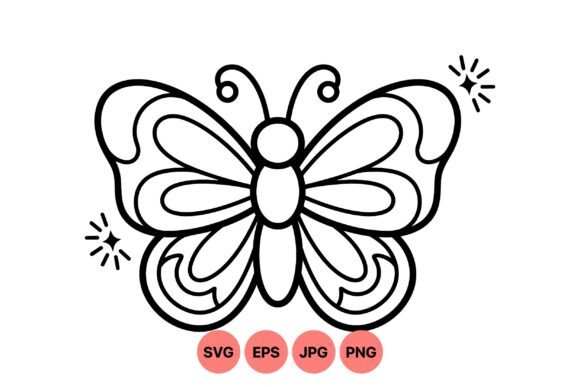
When I opened Cute Butterfly Line Art Design, my eye landed first on its symmetry — clean, centered, and quietly confident. It’s not fussy or overly ornate, but the wing patterns carry just enough decorative rhythm to feel intentional, not generic. The sparkle accents are subtle — not literal glitter, but clever negative-space hints that translate beautifully into stitch breaks or satin-stitch highlights. As an embroidery designer who’s stitched hundreds of butterflies (yes, really), this one stands out because it breathes. It doesn’t crowd the hoop. It invites thread color choices instead of dictating them. That balance makes it ideal for a wide range of handmade products — from baby onesies to boutique aprons — without leaning too sweet, too formal, or too trendy.
A Real Project Test: Embroidering It on a Linen-Cotton Tea Towel
Last week, I used Cute Butterfly Line Art Design for a small-batch kitchen towel line for a local craft fair. Linen-cotton blend, medium weight, slightly textured — exactly the kind of fabric where line art shines *if* the design has clean paths and intentional spacing. I digitized it with a mix of running stitch for fine outlines and gentle satin stitch on the wing borders. No fill stitches — the open interior lets the fabric show through, giving the finished product lightness and tactility. Customers responded immediately: “It looks hand-drawn,” “So elegant but not stiff,” “Perfect for my farmhouse kitchen.” That’s the quiet power of this design — it supports the handmade story without shouting over it.
Where It Shines in Real Embroidery Use
- Custom apparel: Works cleanly on sweatshirt cuffs, t-shirt yokes, and cap backs — especially when scaled down to 2.5–3 inches wide. The symmetry ensures clean registration even on curved surfaces.
- Baby embroidery: Gentle shape and open layout avoid bulky stitch density — ideal for onesies, burp cloths, and nursery pillows where softness and washability matter.
- Embroidered patches: Crisp lines hold up well in heat-applied or sew-on formats. Sparkle accents translate naturally into tiny French knots or seed stitch variations.
- Holiday & wedding gifts: Paired with ivory thread on charcoal linen, it reads as heirloom-quality. On blush cotton, it feels softly celebratory — no extra embellishment needed.
- Etsy listings & digital previews: As a black-and-white vector, it converts flawlessly to printable mockups. Buyers instantly grasp scale, proportion, and styling potential.
Where to Proceed Thoughtfully
Cute Butterfly Line Art Design is elegant — but elegance requires intention. It’s not a “throw-it-on-and-go” file. Here’s where attention pays off:
- Small hoop sizes (under 4”): The outer wing details and sparkle marks shrink quickly. Test at your target size — some fine lines may need slight thickening for clarity.
- Textured or stretchy fabrics: On terry cloth or lightweight knits, stabilizer choice is non-negotiable. A tear-away + light cut-away combo keeps lines sharp without stiffness.
- Dark fabric backgrounds: Since it’s black-and-white vector, contrast depends entirely on your thread choice. Ivory or pale gold thread reads softer than stark white — test both.
- Frequent-wash items (baby clothes, tea towels): Avoid dense satin fills in delicate areas. Stick to running stitch outlines and minimal satin borders — they hold up longer and feel smoother against skin.
- Commercial embroidery projects: Confirm licensing terms before bundling it into a digital embroidery file pack or using it as a recurring motif in your shop branding.
What This Design Says About Your Finished Product
When customers see Cute Butterfly Line Art Design stitched onto a tote bag or pillow cover, they don’t just see a butterfly — they register care. The clean lines suggest precision. The balanced composition implies thoughtfulness. The openness in the wings signals confidence in the maker’s hand, not reliance on filler or flash. That perception lifts perceived value, builds trust, and strengthens brand consistency — especially for small shop owners and Etsy sellers building a recognizable visual language. It also increases giftability: people choose it not because it’s “cute,” but because it feels *considered*. And in handmade markets, that distinction drives repeat buyers.
Practical Designer Notes Before You Stitch
- Always run a test stitch on scrap fabric — same type, same stabilizer, same thread colors you’ll use.
- Review stitch density in the wing borders and sparkle zones. If your machine hesitates or threads break, simplify those sections manually.
- Confirm hoop size compatibility early — symmetry helps, but tight corners near antennae may require repositioning.
- Inspect small details at 200% zoom in your embroidery software. Are all sparkle accents legible? Do any lines vanish below 0.3mm width?
- Mock it up in both black and white thread on light and dark fabric swatches — lighting changes everything.
- Use proper stabilizer: medium-weight cut-away for knits, tear-away for stable wovens, and fusible + tear-away for nap-free texture control.
- Verify commercial use rights — especially if selling finished embroidered goods or bundling Cute Butterfly Line Art Design as part of a larger digital product.
Final Thought: A Design That Serves the Maker First
Not every butterfly illustration earns repeat use in my studio. Cute Butterfly Line Art Design does — because it respects the process. It doesn’t overload the hoop. It adapts to fabric, thread, and purpose without demanding compromise. It fits naturally into Illustrations meant for real making, not just pretty thumbnails. Whether you’re stitching a single personalized gift or scaling up for a craft business launch, this design works *with* you — not around you. That’s rare. And that’s why it’s earned space in my go-to folder for embroidered patches, tote bag designs, baby embroidery, holiday embroidery, and quiet, confident commercial embroidery projects.