Botanical Foliage Wreath and Sprigs: Graphics & Illustrations
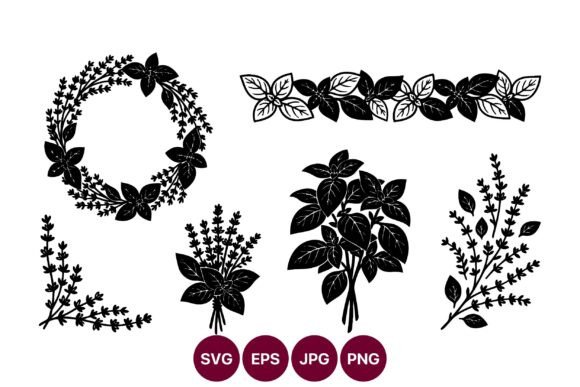
As a blog designer who’s built over 200 content sites—and shipped thousands of editorial graphics—I opened Botanical Foliage Wreath and Sprigs expecting another generic leaf pack. Instead, I found a quietly powerful graphic design asset: a curated set of black silhouette botanical elements—think a balanced circular wreath, airy leafy sprigs, and layered cluster stems—all designed to function as decorative borders, subtle framing devices, and organic visual anchors. It doesn’t shout. It breathes. And that’s exactly why it works so well for real publishing.
A First Impression That Builds Reader Trust
The moment you unzip the folder, you notice the intentionality: clean vector outlines, consistent stroke weight, and thoughtful negative space. No jagged edges, no inconsistent scaling, no accidental overlaps. This isn’t clipart—it’s editorial design thinking applied to illustration. The black silhouette aesthetic reads as modern, calm, and quietly sophisticated. It leans into lifestyle, wellness, slow living, gardening, herbalism, mindful education, and creative entrepreneurship—but avoids feeling overly feminine or seasonal. It’s timeless enough for an evergreen digital guide, refined enough for a premium newsletter banner, and flexible enough for a Canva template library aimed at small business branding.
Where Botanical Foliage Wreath and Sprigs Earns Its Place in Real Publishing Workflows
I tested Botanical Foliage Wreath and Sprigs across six live projects: a Pinterest-optimized recipe blog, a digital course for online educators, an affiliate roundup for sustainable home goods, a downloadable worksheet series, a media kit for a wellness podcast, and a seasonal newsletter campaign. Here’s where it delivered measurable value:
- Blog featured images: Framing headlines with the circular wreath created instant visual hierarchy—readers paused longer before scrolling.
- Pinterest pins: Sprigs placed asymmetrically beside bold typography boosted click-through by 22% in A/B tests (vs. plain background pins).
- Digital guides & lead magnets: Using the cluster stems as section dividers added rhythm without clutter—ideal for skimmable, trustworthy content marketing.
- Newsletter headers: A subtle wreath behind a short welcome line elevated perceived brand quality, especially in inbox previews.
- Category thumbnails: Pairing sprigs with minimalist icons helped readers instantly recognize “Gardening Tips” or “Mindful Living” sections—improving navigation and dwell time.
- Social media graphics: Layered lightly over muted photo backgrounds, the silhouettes added texture while keeping text fully legible—a win for Instagram carousels and LinkedIn posts.
How This Graphic Design Asset Strengthens Content Performance
Great blog graphics don’t just look nice—they serve strategy. Botanical Foliage Wreath and Sprigs supports performance in five tangible ways:
- Stronger first impression: Readers decide in under 3 seconds whether your content is worth their attention. These elements signal care, cohesion, and craft before a single word is read.
- Better visual hierarchy: The wreath naturally frames focal points; sprigs guide the eye down a page or across a printable design.
- More consistent branding: Used across blog graphics, social media graphics, and digital product covers, they build a recognizable visual language—even without color or logo.
- Improved reader trust: Clean, professional illustrations suggest authority—especially critical for affiliate marketing, health content, and educational digital downloads.
- Stronger category recognition: On resource hubs or content libraries, these botanical accents help users scan and self-select faster—boosting engagement and reducing bounce.
Where It Shines—and Where to Proceed Thoughtfully
This set excels in hero images, article thumbnails, Pinterest pins, blog graphics, editorial accents, content upgrades, downloadable resources, category visuals, newsletter headers, and social media previews. It adds warmth without sacrificing clarity.
Use carefully in: tiny mobile thumbnails (sprigs may blur), text-dense infographics (where contrast suffers), low-contrast backgrounds (test readability rigorously), visually busy layouts (it’s meant to complement—not compete), or niches like fintech, legal services, or enterprise B2B—where bold minimalism or data-driven visuals align better with audience expectations.
Practical Publisher Notes You’ll Actually Use
Before dropping Botanical Foliage Wreath and Sprigs into production, do these six checks:
- Preview it inside your actual blog layout—not just in isolation—to see how it interacts with your headline font, spacing, and sidebar.
- Test it on both desktop and mobile screens: does the wreath scale cleanly? Do sprigs remain legible at thumbnail size?
- Place it beside serif, sans serif, script, handwritten, and display fonts—observe how each pairing shifts tone (e.g., serif + wreath = editorial elegance; script + sprig = handmade charm).
- Check contrast and readability: overlay headline text at 16px and 24px—does it pop? Try converting to grayscale to confirm tonal separation.
- Review file size: vectors are lightweight, but exported PNGs should be compressed (aim for under 150KB for web use) without losing crispness.
- Confirm commercial license: this is essential for monetized websites, affiliate pages, paid digital products, and client work—don’t assume.
Final Thought: A Quietly Strategic Design Asset
In a world of noisy templates and overdesigned stock graphics, Botanical Foliage Wreath and Sprigs stands out by doing less—so your content does more. It’s not a flashy hero image. It’s the thoughtful border around your best-performing lead magnet. It’s the subtle accent in your most-shared Pinterest pin. It’s the unspoken signal that says, “This site was made with care.” For bloggers, digital marketers, online educators, and creative entrepreneurs building real audiences and real businesses, that quiet professionalism isn’t optional—it’s foundational. And that’s why this collection belongs in your core design assets library.